
Why Learning Bangla Matters in a Multicultural Australia
Australia is home to over 300 languages spoken and more than 7.5 million immigrants. In this vibrant mix, languages do more than just help us talk—they build connections, open minds, and create bridges between worlds.
Article Outline
- Introduction
- A Melting Pot of Cultures
- Language as a Cultural Bridge
- A Melting Pot of Cultures
- The Rise of Bangladeshi Communities in Australia
- Migration Trends and Growth
- Bangladeshi Hubs in Australian Cities
- Migration Trends and Growth
- Bangla — A Language with Global Significance
- The Rich History of the Bangla Language
- UNESCO Recognition of International Mother Language Day
- The Rich History of the Bangla Language
- Why Bangla is More Than Just a Language
- A Gateway to Literature, Art, and Music
- Embracing Identity and Belonging
- A Gateway to Literature, Art, and Music
- Cultural Understanding Through Language
- Promoting Harmony in a Diverse Society
- Encouraging Intergenerational Dialogue
- Promoting Harmony in a Diverse Society
- Practical Benefits of Learning Bangla in Australia
- Career Opportunities in Government, NGOs, and Education
- Enhancing Communication in Community Services
- Career Opportunities in Government, NGOs, and Education
- Bangla in Australian Educational Institutions
- Schools Offering Bangla Language Programs
- Community Language Schools and Weekend Programs
- Schools Offering Bangla Language Programs
- Technology and the Rise of Digital Bangla Learning
- Language Apps and Online Resources
- Social Media and Cultural Exchange
- Language Apps and Online Resources
- Encouraging Youth to Embrace Bangla
- Bilingual Identity in Second-Generation Bangladeshis
- Language Retention and Pride
- Bilingual Identity in Second-Generation Bangladeshis
- How Parents Can Foster Bangla at Home
- Fun Learning at Home
- Storytelling, Music, and Games
- Fun Learning at Home
- The Role of Community Leaders and Organizations
- Local Events and Cultural Festivals
- Language Preservation Initiatives
- Local Events and Cultural Festivals
- Government and Policy Support
- Multicultural Policies Encouraging Language Diversity
- Grants and Support for Language Programs
- Multicultural Policies Encouraging Language Diversity
- Overcoming Challenges to Learning Bangla
- Lack of Resources and Awareness
- Strategies for Motivation and Consistency
- Lack of Resources and Awareness
- Personal Stories: Aussies Who Learned Bangla
- Teachers, Diplomats, and Everyday Enthusiasts
- What They Gained from the Experience
- Teachers, Diplomats, and Everyday Enthusiasts
- Conclusion
- FAQs
Why Learning Bangla Matters in a Multicultural Australia
Introduction
A Melting Pot of Cultures
Australia is home to over 300 languages spoken and more than 7.5 million immigrants. In this vibrant mix, languages do more than just help us talk—they build connections, open minds, and create bridges between worlds.
Language as a Cultural Bridge
Think of language like the glue holding multiculturalism together. It allows stories to be passed down, ideas to be exchanged, and communities to feel heard. That’s where Bangla—a language spoken by over 230 million people globally—comes in.
The Rise of Bangladeshi Communities in Australia
Migration Trends and Growth
The Bangladeshi population in Australia has steadily grown since the late 20th century, with a major increase in the 2000s. Today, tens of thousands of Bangladeshis live in cities like Sydney, Melbourne, and Brisbane, contributing richly to Australia’s diverse tapestry.
Bangladeshi Hubs in Australian Cities
Areas such as Lakemba in Sydney or Footscray in Melbourne have become vibrant pockets of Bangladeshi culture—with restaurants, language schools, and mosques that serve as gathering points for the community.
Bangla — A Language with Global Significance
The Rich History of the Bangla Language
Bangla, also known as Bengali, dates back over a thousand years. It’s the language of Rabindranath Tagore, Asia’s first Nobel Laureate in Literature, and has a poetic, rhythmic structure that captivates both native and new learners.
UNESCO Recognition of International Mother Language Day
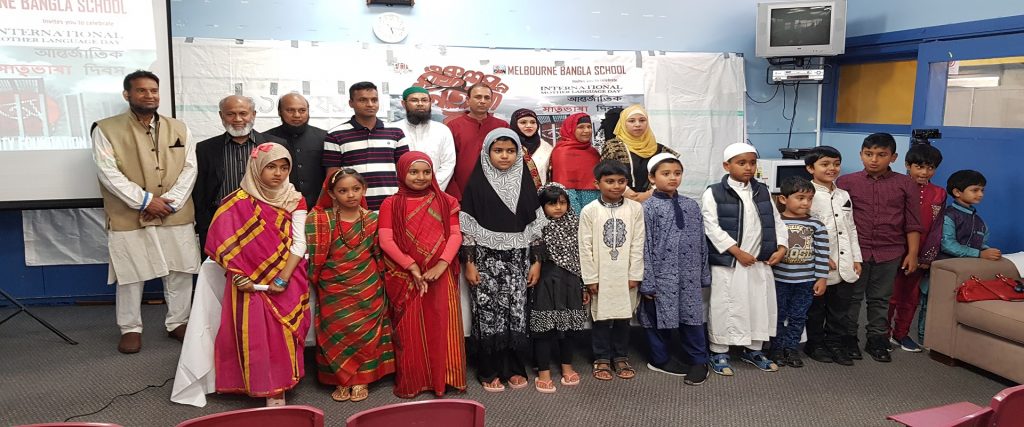
In 1999, UNESCO declared February 21st as International Mother Language Day in honor of the 1952 Bangladeshi Language Movement. This is a powerful reminder of the cultural importance of Bangla and the need to preserve linguistic diversity.
Why Bangla is More Than Just a Language
A Gateway to Literature, Art, and Music
Learning Bangla opens up an entire universe of creativity—Bengali poetry, Tagore songs, films, and traditional art forms. It’s like getting a backstage pass to one of South Asia’s richest cultural heritages.
Embracing Identity and Belonging
For Bangladeshi Australians, speaking Bangla is more than communication—it’s a symbol of who they are. It connects them to their roots and strengthens their sense of identity in a foreign land.
Cultural Understanding Through Language
Promoting Harmony in a Diverse Society
When Australians of different backgrounds learn each other’s languages, they break down stereotypes. Bangla speakers find allies. Non-Bangla speakers find friends. That’s real multiculturalism in action.
Encouraging Intergenerational Dialogue
When kids speak Bangla at home, they can talk more meaningfully with their grandparents. Stories from “back home” don’t get lost—they’re passed on, lived, and celebrated.
Practical Benefits of Learning Bangla in Australia
Career Opportunities in Government, NGOs, and Education
Speaking Bangla is a valuable skill in jobs involving international relations, community development, and education. Think DFAT, Red Cross, or local councils—being bilingual is a plus!
Enhancing Communication in Community Services
Healthcare workers, teachers, and social workers who speak Bangla can provide more empathetic, accurate service to Bangladeshi clients. It can literally change lives.
Bangla in Australian Educational Institutions
Schools Offering Bangla Language Programs
Some schools and after-school programs in Sydney and Melbourne now offer Bangla. It’s not mainstream yet—but it’s growing, especially with community advocacy.
Community Language Schools and Weekend Programs
Weekend language schools, often run by volunteers, play a crucial role in teaching young Bangladeshi Australians to read, write, and speak their native tongue.
Technology and the Rise of Digital Bangla Learning
Language Apps and Online Resources
Apps like Duolingo and Memrise, along with YouTube channels, offer fun, bite-sized ways to learn Bangla from anywhere in Australia—no classroom needed!
Social Media and Cultural Exchange
From TikTok to Facebook, Bangla content is thriving online. It’s helping young people stay connected with the language in ways that feel relevant and fun.
Encouraging Youth to Embrace Bangla
Bilingual Identity in Second-Generation Bangladeshis
Many young Bangladeshis grow up speaking English at school and Bangla at home. Embracing both gives them a unique edge—and a richer worldview.
Language Retention and Pride
Pride in one’s heritage starts early. Encouraging Bangla in childhood boosts confidence, self-identity, and community connection later in life.
How Parents Can Foster Bangla at Home
Fun Learning at Home
From flashcards to cartoons in Bangla, making language learning part of playtime can make a big difference. No pressure—just regular, fun exposure.
Storytelling, Music, and Games
Grandparents telling folktales, parents singing lullabies, or kids playing Bangla board games—these shared moments are where language lives and breathes.
The Role of Community Leaders and Organizations
Local Events and Cultural Festivals
Events like the Bangla New Year (Pohela Boishakh) or Ekushey Book Fair bring people together and showcase the beauty of Bangla culture.
Language Preservation Initiatives
Organizations are pushing for official recognition of Bangla in more schools, government initiatives, and public services. Every effort counts.
Government and Policy Support
Multicultural Policies Encouraging Language Diversity
Australia’s multicultural policies promote the teaching and preservation of community languages—including Bangla. It’s part of building an inclusive nation.
Grants and Support for Language Programs
Government grants can support community schools, teacher training, and educational material production. It’s a long game, but the foundation is strong.
Overcoming Challenges to Learning Bangla
Lack of Resources and Awareness
Let’s be real—there’s still a shortage of Bangla learning materials in Australia. But communities are stepping up to create more.
Strategies for Motivation and Consistency
Start small. Celebrate milestones. Use technology. And most of all—make it meaningful. Language learning should feel like connection, not homework.
Personal Stories: Aussies Who Learned Bangla
Teachers, Diplomats, and Everyday Enthusiasts
From high school teachers to Aussie diplomats posted in Dhaka, many non-Bangladeshi Australians have learned Bangla to connect with culture and people.
What They Gained from the Experience
They’ve gained friendships, understanding, and a deeper connection to one of the most resilient and expressive cultures in the world.
Conclusion
In a multicultural country like Australia, learning a language like Bangla isn’t just about grammar or vocabulary—it’s about connection. It’s about knowing your neighbors, embracing diversity, and building a future that’s inclusive and vibrant. Whether you’re a second-generation Bangladeshi, an Aussie curious about South Asian culture, or a parent wanting to pass on heritage—learning Bangla is a powerful, beautiful act. And in today’s Australia, it matters more than ever.
FAQs
Q1: Is Bangla difficult for English speakers to learn?
A1: It has a different script and structure, but with regular practice and cultural exposure, it’s definitely manageable!
Q2: Are there apps or websites specifically for learning Bangla?
A2: Yes! Platforms like Mondly, Italki, and YouTube channels dedicated to Bangla are great starting points.
Q3: Can learning Bangla improve job prospects in Australia?
A3: Absolutely—especially in sectors like education, healthcare, international relations, and social work.
Q4: Is Bangla taught in any Australian schools?
A4: Some community and weekend schools offer Bangla classes, and there’s growing interest in formal integration.
Q5: What’s the best way to teach kids Bangla at home?
A5: Keep it fun—use songs, stories, cartoons, and apps. Daily exposure, even for a few minutes, makes a big impact.