
Why Cultural Education is as Important as Academic Education for Diaspora Kids
Let’s be honest—raising kids is hard enough. Now imagine doing it while living in a completely different culture from the one you were born into. That’s the daily reality for many families in the diaspora.
Outline
Introduction
- Importance of holistic education
- Quick overview of diaspora kids’ unique challenges
Understanding the Concept of Cultural Education
- What is cultural education?
- Difference between cultural and academic education
Who Are Diaspora Kids?
- Definition of diaspora
- Common challenges diaspora children face
The Emotional and Identity Needs of Diaspora Kids
- Identity crisis and belonging
- Cultural disconnection and emotional gaps
Language as a Cultural Anchor
- Native language retention
- How language shapes thinking and belonging
Cultural Values and Norms
- Respect for elders, family ties, community
- Bridging two worlds: home and host country
The Role of Cultural Education in Academic Success
- Boosting confidence through cultural understanding
- Enhancing communication and participation in school
Cultural Competency Enhances Social Skills
- Adapting while maintaining identity
- Better peer relationships and emotional intelligence
Mental Health and Cultural Education
- Reducing isolation and anxiety
- Cultural pride as a shield against discrimination
Cultural Education at Home
- Role of parents and elders
- Creating a culturally rich home environment
Festivals, Food, and Stories
- Informal but powerful learning
- Building joyful connections with heritage
Schools and Cultural Inclusion
- How schools can support cultural education
- Multicultural curriculum and classroom activities
Role of Community and Cultural Organizations
- Cultural centers, weekend schools, religious groups
- Peer support and community pride
Long-Term Benefits of Cultural Education
- Leadership, empathy, and global citizenship
- Career opportunities and identity resilience
Conclusion
FAQs
- Why is cultural education often overlooked?
- Can cultural education hinder integration?
- How can parents promote cultural learning?
- Are there specific ages when cultural education matters most?
- How can schools incorporate more cultural awareness?
Why Cultural Education is as Important as Academic Education for Diaspora Kids
Introduction
Let’s be honest—raising kids is hard enough. Now imagine doing it while living in a completely different culture from the one you were born into. That’s the daily reality for many families in the diaspora. While most parents focus on getting their kids into good schools and helping them ace exams, one vital element often gets overlooked—cultural education. Spoiler alert: it’s just as important as math or science. Why? Let’s dive in.
Understanding the Concept of Cultural Education
So, what exactly is cultural education? It’s more than just learning how to dance in traditional clothes or speaking a few words in your mother tongue. Cultural education is about passing down values, traditions, language, history, and a sense of identity. It teaches kids where they come from, which is crucial for helping them figure out who they are.
On the other hand, academic education focuses on intellectual skills—math, reading, writing, science, etc. While both are essential, cultural education fills in the emotional and social gaps academic schooling often misses.
Who Are Diaspora Kids?
The term “diaspora” refers to people who’ve moved away from their homeland, voluntarily or involuntarily. Diaspora kids are the children of these families, born or raised outside their ancestral land.
These kids often grow up juggling two worlds—the culture at home and the one outside. And while that can be enriching, it can also lead to confusion, identity issues, and a feeling of not fully belonging anywhere.
The Emotional and Identity Needs of Diaspora Kids
Imagine trying to piece together a puzzle with some pieces missing. That’s how many diaspora kids feel. They might look different from their peers, have different traditions, and speak a different language at home. Without cultural education, they can feel lost between two identities.
Teaching them about their heritage helps them develop a solid sense of self. It grounds them, gives them pride, and helps them navigate the world with confidence.
Language as a Cultural Anchor
Ever heard the saying, “To lose your language is to lose your soul”? That’s not an exaggeration. Language carries emotion, nuance, and identity. When diaspora kids stop speaking their native tongue, they often lose touch with their cultural roots.
Keeping the mother language alive doesn’t just help with communication—it preserves a worldview that is passed down through generations. It also allows children to bond better with extended family members, especially grandparents.
Cultural Values and Norms
Things like respect for elders, communal support, and religious customs are pillars of many cultures. When kids grow up without learning these values, they can feel disconnected—not just from their heritage but from their family’s way of life.
Helping kids understand and appreciate these values doesn’t mean rejecting the host country’s culture. It’s about blending both worlds so they grow up well-rounded, respectful, and strong in character.
The Role of Cultural Education in Academic Success
Believe it or not, culture and classroom aren’t separate. A strong cultural identity can boost academic performance. How? When kids feel confident in who they are, they participate more, speak up, and engage with learning.
They’re not distracted by identity issues or shame. Instead, they bring their whole selves to school—which often translates to better grades and stronger peer relationships.
Cultural Competency Enhances Social Skills
Kids who understand their culture also learn to respect other cultures. This cultural competency helps them make friends from all backgrounds and become empathetic and emotionally intelligent individuals.
Instead of feeling like outsiders, they learn to embrace differences and celebrate diversity—key traits for success in today’s globalized world.
Mental Health and Cultural Education
Let’s talk mental health for a second. Many diaspora kids experience anxiety, isolation, or even depression because they feel like they don’t belong anywhere.
Cultural education gives them a sense of pride and purpose. It tells them, “You’re not weird, you’re unique.” That reassurance can be a mental health game-changer.
Cultural Education at Home
Guess what? The first classroom is your home. Parents, grandparents, and older siblings all play a huge role in passing on cultural knowledge.
Simple things like speaking the native language, celebrating traditional holidays, or sharing childhood stories can have a profound impact on how kids connect to their roots.
Festivals, Food, and Stories
Want a fun way to teach culture? Start with festivals, food, and bedtime stories. Whether it’s cooking a family recipe or dancing during a festival, these moments create lasting memories that stick.
Kids are more likely to embrace their heritage when it’s tied to joy, love, and family.
Schools and Cultural Inclusion
Educational institutions also have a role to play. Schools can integrate multicultural lessons, literature, and activities to reflect the diverse student body.
When children see their culture respected and represented at school, it validates their identity and promotes inclusiveness among peers.
Role of Community and Cultural Organizations
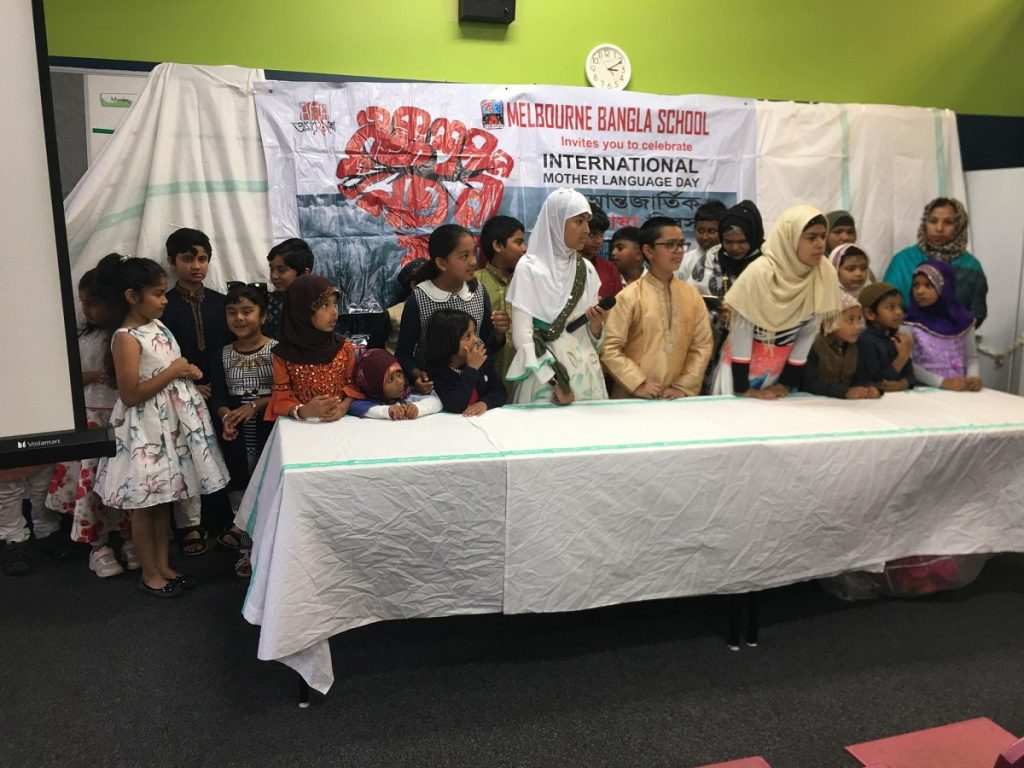
From weekend schools to community centers, there are plenty of ways to reinforce cultural education outside the home. These places offer structure, resources, and a sense of belonging.
They also create opportunities for diaspora kids to meet others like them, easing the feeling of being “different.”
Long-Term Benefits of Cultural Education
Culturally educated kids grow into adults who are confident, compassionate, and globally aware. They are more likely to become leaders in their communities, stand up against injustice, and build bridges across cultures.
From professional networking to international careers, a strong cultural foundation opens doors you might not even realize exist.
Conclusion
Academic success is important, no doubt. But without cultural education, diaspora kids are missing half the picture. Giving them a strong sense of who they are—and where they come from—prepares them not just for school, but for life.
Because at the end of the day, you can’t know where you’re going until you know where you’ve been.
FAQs
1. Why is cultural education often overlooked?
Because the emphasis is usually on grades and career readiness, many parents and schools unintentionally sideline cultural learning.
2. Can cultural education hinder integration?
Not at all. It actually supports better integration by helping kids feel secure in who they are, which makes adapting easier.
3. How can parents promote cultural learning?
Speak your native language, share stories, celebrate traditions, and involve kids in community events.
4. Are there specific ages when cultural education matters most?
The earlier, the better—but it’s never too late. Childhood and early adolescence are especially formative.5. How can schools incorporate more cultural awareness?
By including multicultural content in the curriculum, encouraging cultural show-and-tell, and celebrating international days.